
Overview
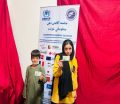
Nooria, a 24-year-old widow and female head of household, lives in Dar Abad village, Farah Center, with her two young children. Following the tragic death of her husband four years ago, she became the sole provider for her family. Despite her efforts working as a domestic laborer in neighbors’ homes, her income was insufficient to meet basic needs. As her children grew and living costs increased, she was forced to borrow money from relatives—support that eventually ceased due to her inability to repay. Although Nooria had tailoring skills, she lacked the financial means to purchase materials and equipment to start a sustainable livelihood. Her situation reflected deep economic vulnerability, limited access to resources, and a growing risk of negative coping mechanisms.
UNHCR Protection Case Management (PCM) Programme
Nooria was referred to the PCM unit of the ARAA/Farah office (UNHCR partner) by the MHPSS counseling team. After a thorough verification process, she was found eligible and enrolled as a PCM beneficiary. Nooria’s case was prioritized due to her compounded risks and potential for recovery through targeted support.
Approach
On 7 August 2025, Nooria received a one-time cash grant of 18,000 AFN through the PCM programme. She used part of the assistance to purchase sewing materials and launch a small tailoring activity, while the remainder was spent on food and essential household items. This intervention was designed to meet immediate needs and empower Nooria to use her existing skills to generate income. The approach focused on restoring her dignity, reducing reliance on harmful coping strategies, and building a foundation for long-term resilience.
Summary
UNHCR’s PCM support enabled Nooria to transition from extreme hardship to hopeful recovery. Her family’s living conditions improved, food security was restored, and she no longer needed to borrow money or depend solely on informal domestic work. By activating her tailoring skills, Nooria gained economic independence and a renewed sense of dignity. Her story illustrates how timely, well-targeted PCM interventions can empower vulnerable women to rebuild their lives and create sustainable futures for their children.
Provided by
Parwin Sarwari